
The intersection of plant science and modern consumption
Boundaries between therapeutic relief and recreational enjoyment blur as extraction yields purer cannabinoid compounds. Consumers face a complex market where botanical innovations meet advanced delivery systems, demanding deeper knowledge of ingredients and physiological effects for informed wellness decisions.
Incorporating CBD into daily wellness and beauty routines


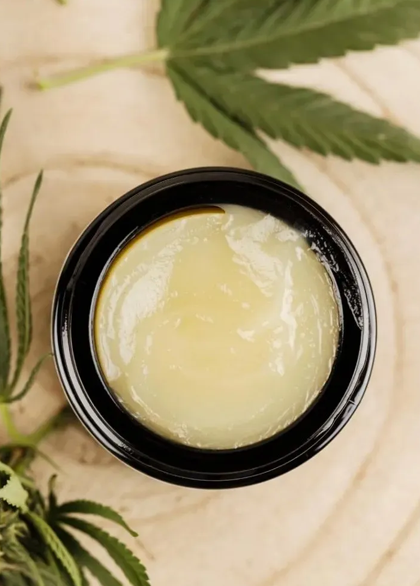
Dermal absorption paths
Liposomal delivery encapsulates active molecules for enhanced penetration into deeper epidermal layers.

Anti-inflammatory agents
Synergistic terpenes work to soothe redness and calm reactive, sensitive skin.

Oxidative stress defense
Antioxidants neutralize free radicals, combating the visible signs of premature cellular aging.
Holistic balance approach
Evolution of vaping technology and nicotine delivery systems
Modern vape devices move beyond prototypes, offering customizable experiences via variable wattage mods and temperature control. They heat e-liquids into an aerosol, bypassing combustion—and its tar or carbon monoxide—for a different experience than combustible tobacco, letting users manage vapor density and flavor.
Optimization through precision smoking accessories and glassware
Consumption efficiency depends on the quality of the apparatus. Durable borosilicate glass withstands thermal shock, preserving flavor purity, while advanced filtration systems cool vapor before inhalation.
Ceramic heating elements
Porous ceramic ensures uniform heat distribution for consistent vapor production.
Water filtration chambers
Percolators and diffusers cool the smoke or vapor for a smoother, less harsh inhalation.
Quartz thermal bangers
High heat retention allows for low-temp dabbing of cannabis concentrates.
Understanding nicotine dependency and neurochemical responses
Nicotine stimulates dopamine release in the brain’s reward center, creating a reinforcement loop leading to physical reliance. Differentiating a behavioral habit from a chemical addiction is crucial for those wanting to reduce nicotine intake. Biological tolerance also builds, requiring larger doses to achieve the same effect.
Withdrawal symptoms manifest as irritability and anxiety when receptors are deprived. Managing these reactions requires a structured nicotine cessation plan involving gradual dosage tapering, not abrupt quitting.
Navigating the CBD and Vaping regulatory landscape
Local laws for hemp derivatives and vaping products vary, often hinging on legal THC limits. Manufacturers must follow strict labeling rules disclosing all ingredients, while consumers must verify products meet local compliance standards before purchase. This ensures the industry operates within public health boundaries.
Third-party lab testing is the standard for verifying potency and ensuring products are free of contaminants like heavy metals or pesticides.
Quality assurance and GMP manufacturing standards
Producing inhalable goods demands cleanroom environments to prevent contamination. ISO certifications and GMP protocols show a commitment to consistency, ensuring each batch of e-liquid or CBD oil meets rigorous safety standards. Batch tracking and analysis allows for immediate recalls if anomalies are detected.

Transparent batch tracking systems
QR codes on packaging link to Certificates of Analysis (CoA) for full transparency..

Child-resistant packaging
Certified locking mechanisms prevent accidental ingestion by minors or pets.

Tamper-evident seals
Shrink bands and seals guarantee product integrity until first use.
Cannabinoid extraction
The science of cannabinoid extraction methods
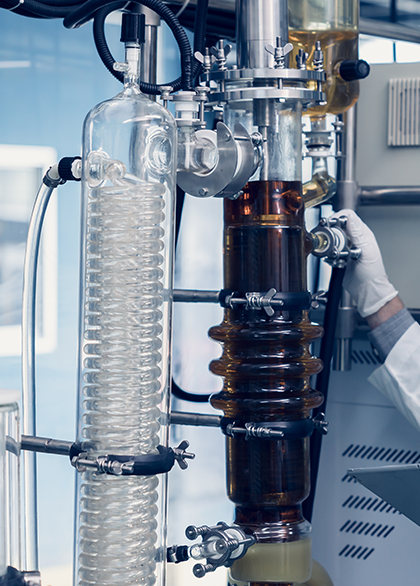
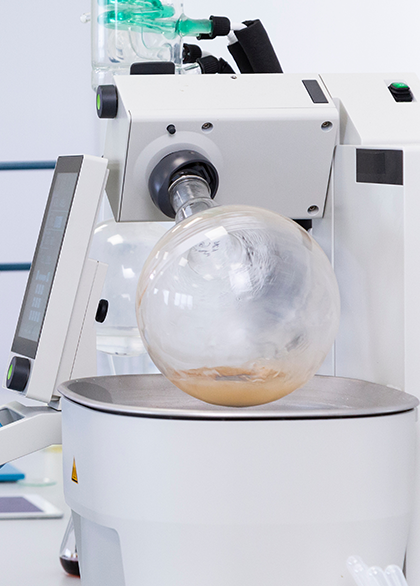
Isolating target compounds from raw plant material requires sophisticated engineering to preserve delicate terpenes while removing unwanted chlorophyll and waxes. Supercritical CO2 extraction is the gold standard, using pressurized CO2 as a clean solvent. It evaporates completely, leaving a pure, residue-free CBD concentrate suitable for premium formulations.
Optimizing bioavailability and metabolic pathways
The delivery method dictates the onset, duration, and intensity of effects, as active compounds enter the bloodstream at different rates.
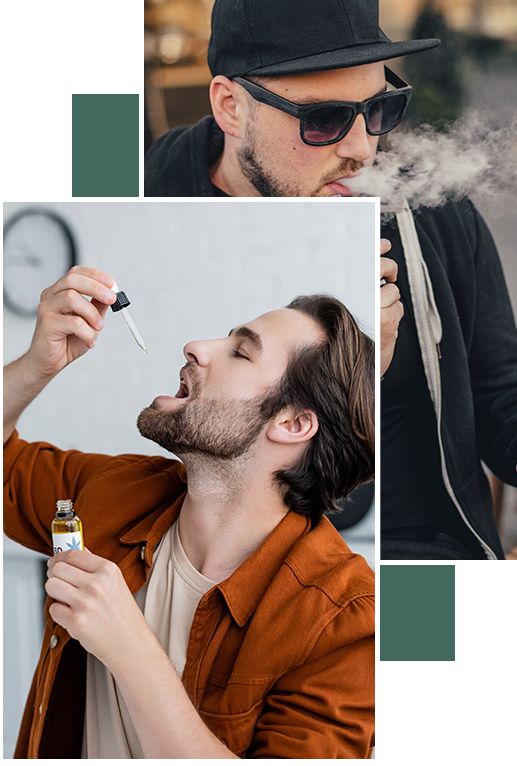
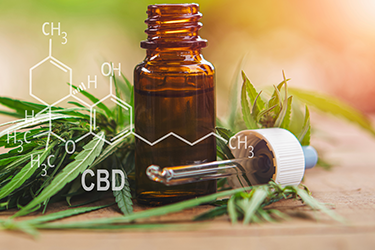
Nano-emulsion technology
Breaking oil particles into microscopic sizes increases water solubility. This advanced processing improves the bioavailability of CBD beverages and topicals.
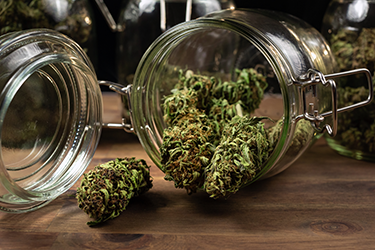
Full-spectrum profiles
Retaining a complete range of cannabinoids and terpenes creates the entourage effect. These compounds work synergistically to enhance the extract’s therapeutic potential.
Sustainable practices in product development
As the industry matures, focus shifts to minimizing environmental impact via eco-friendly packaging and rechargeable vape hardware to reduce e-waste. Manufacturers explore renewable materials to replace single-use plastics.
Sustainable hemp sourcing maintains soil health and biodiversity via regenerative agriculture, which avoids harmful synthetic chemicals.